Training programs
Training programs for the conversations that matter
Speaking up, calming someone down, saying the hard thing, noticing bias. Choose the conversation, and we build the practice around it.
The conversations
Moments that decide what happens next
Pick the conversation your people find hardest, and see every way they can rehearse it before it counts.
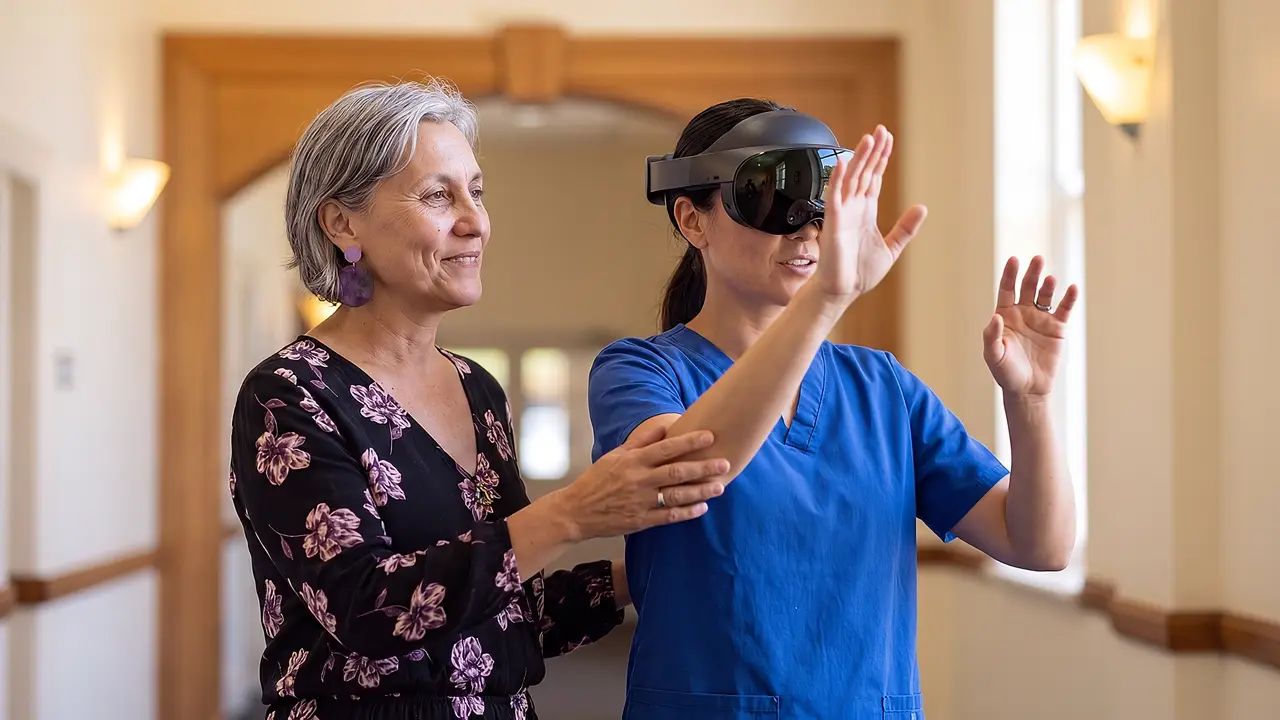
Speaking up for safety. A risk is noticed and someone senior is busy. Practise saying it, and hearing it.
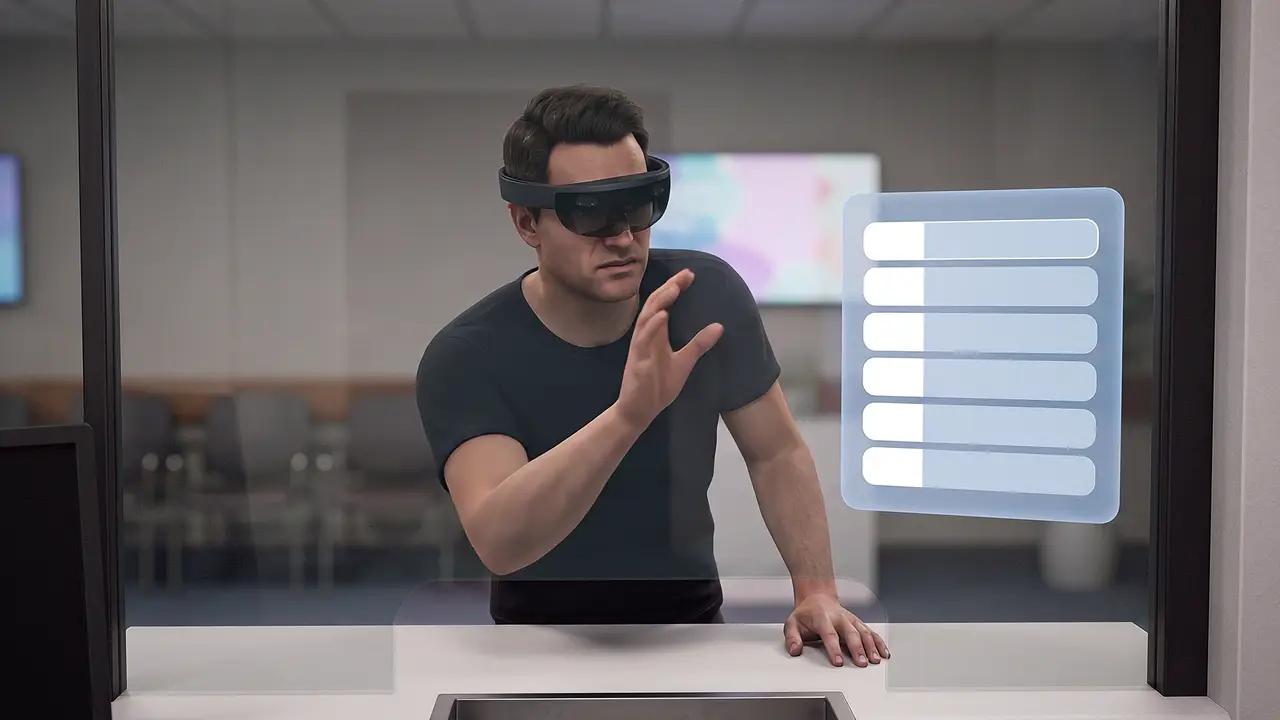
De-escalation. Voices rise at the counter, the bedside or the bus door. Rehearse the first few seconds.
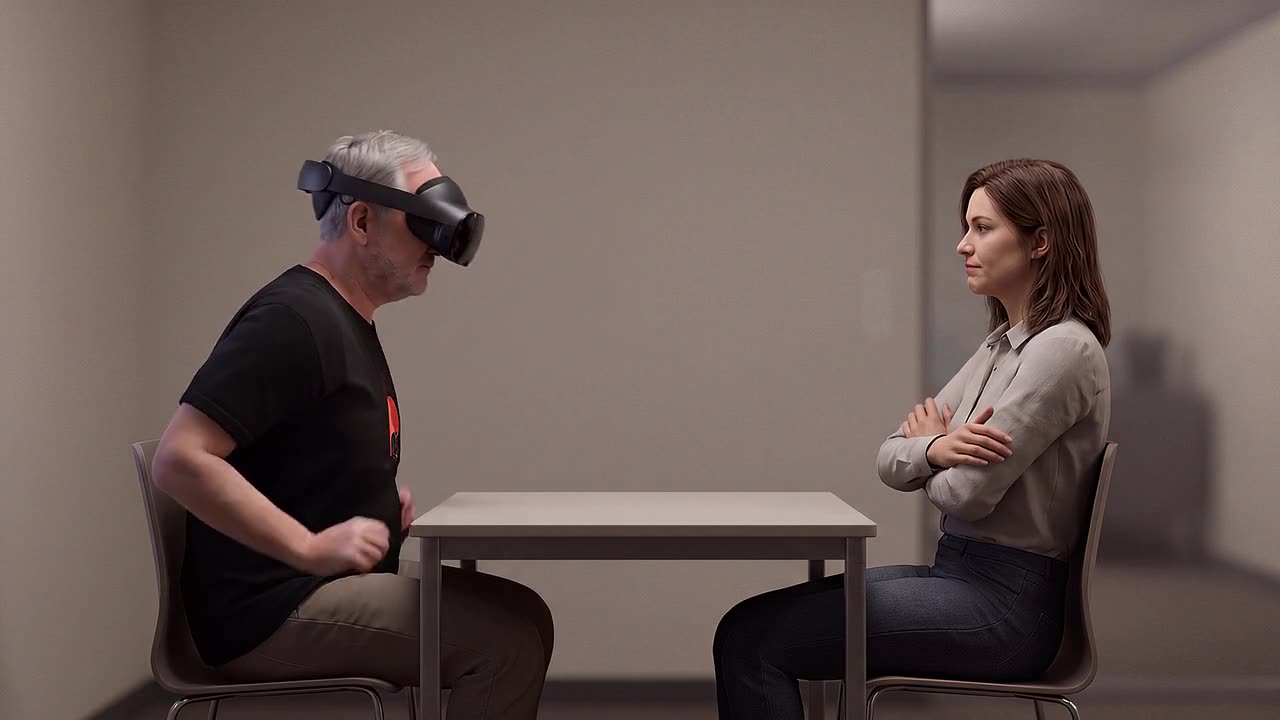
Difficult conversations. Feedback, complaints and bad news. Practise with someone who answers back.

Bias and inclusion. Feel exclusion from the inside, then practise the words that change the room.
More conversations
Starting work, serving everyone, caring well, asking an expert
The same approach, for the first week on the job, the customer who needs a different kind of help, the clinical conversation and the expert who is hard to reach.
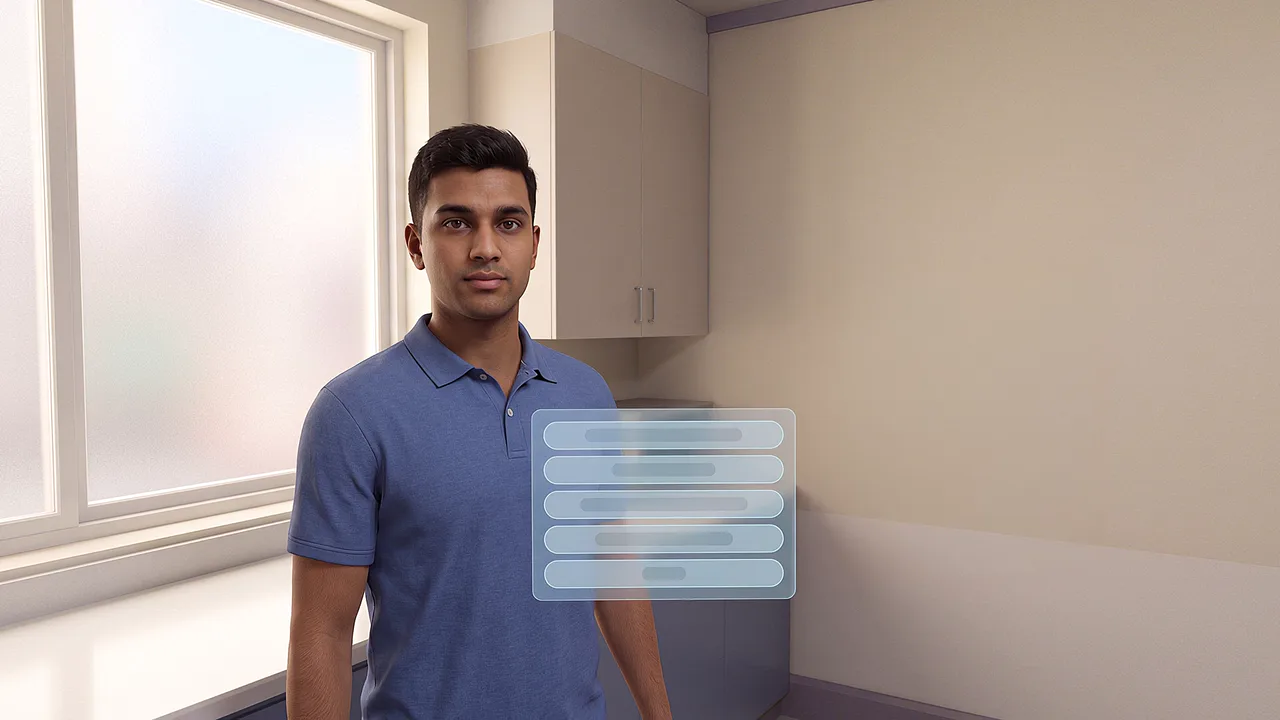
Induction and onboarding. The first shift, the first site, the first client. Rehearse it before the first day.
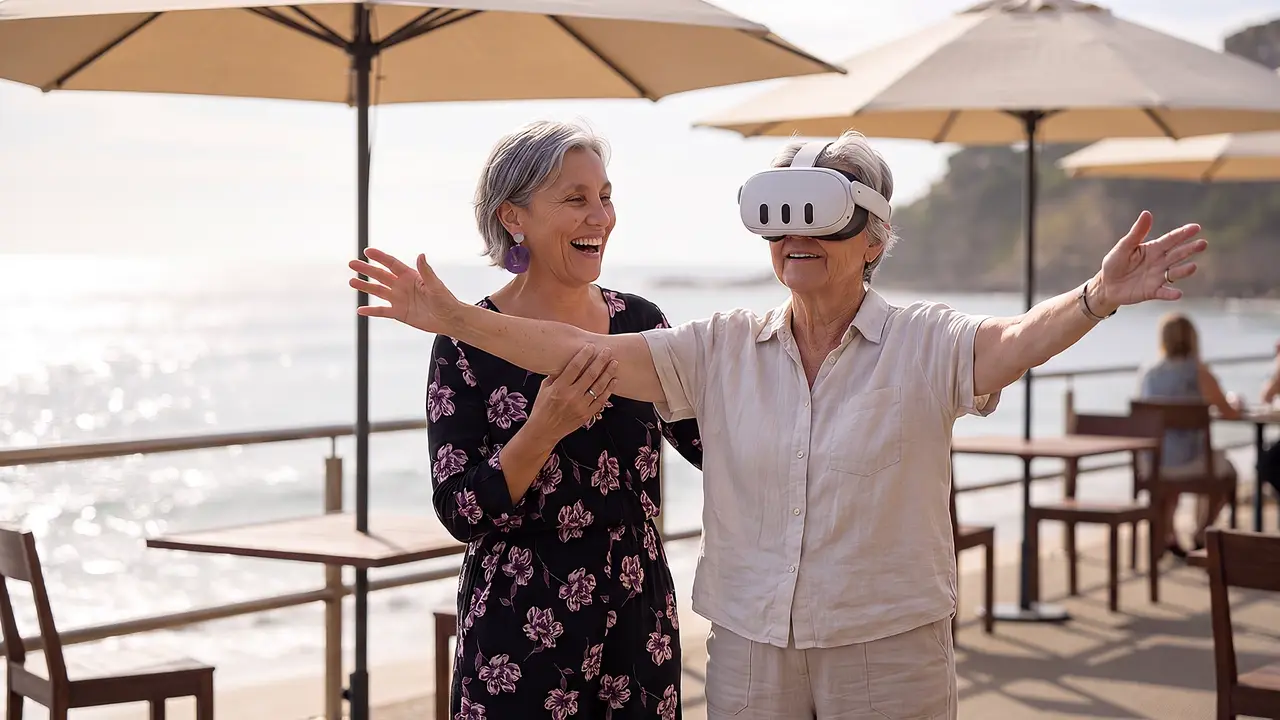
Disability awareness and inclusive service. Serve every customer well by practising the moments that trip staff up.
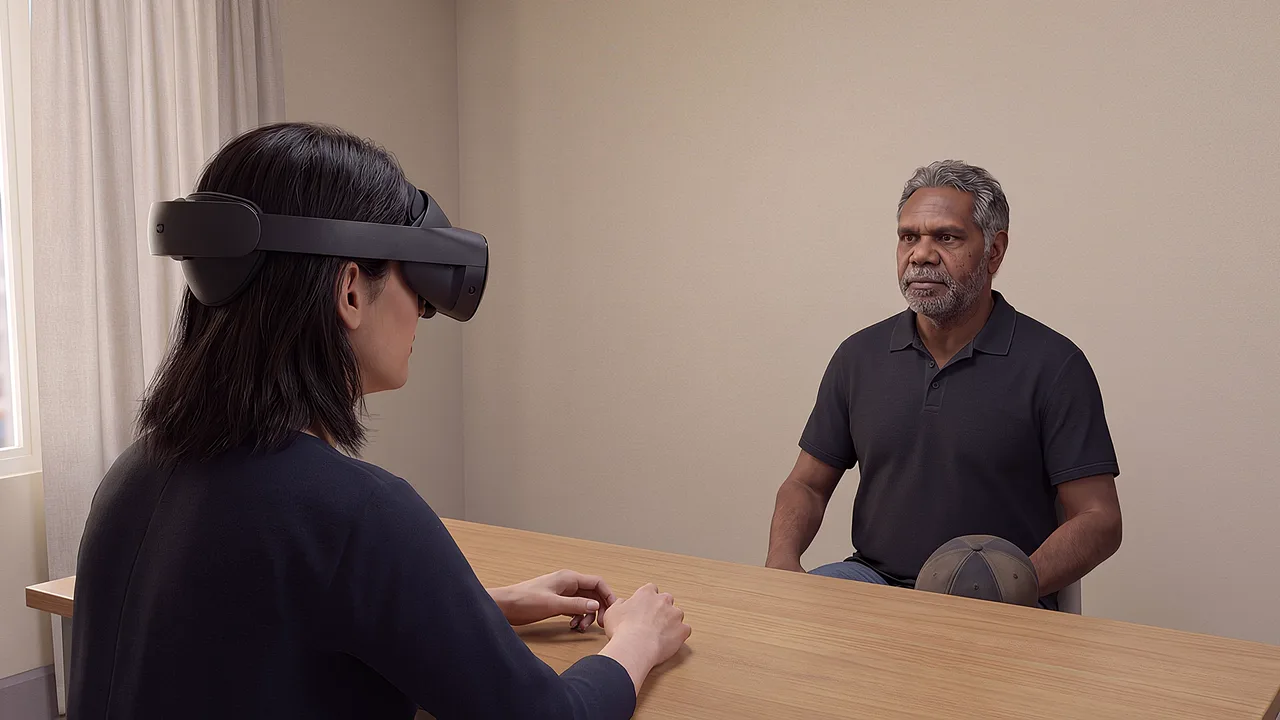
Clinical and patient conversations. Bad news, consent, a worried family. Practise with a patient who answers back.
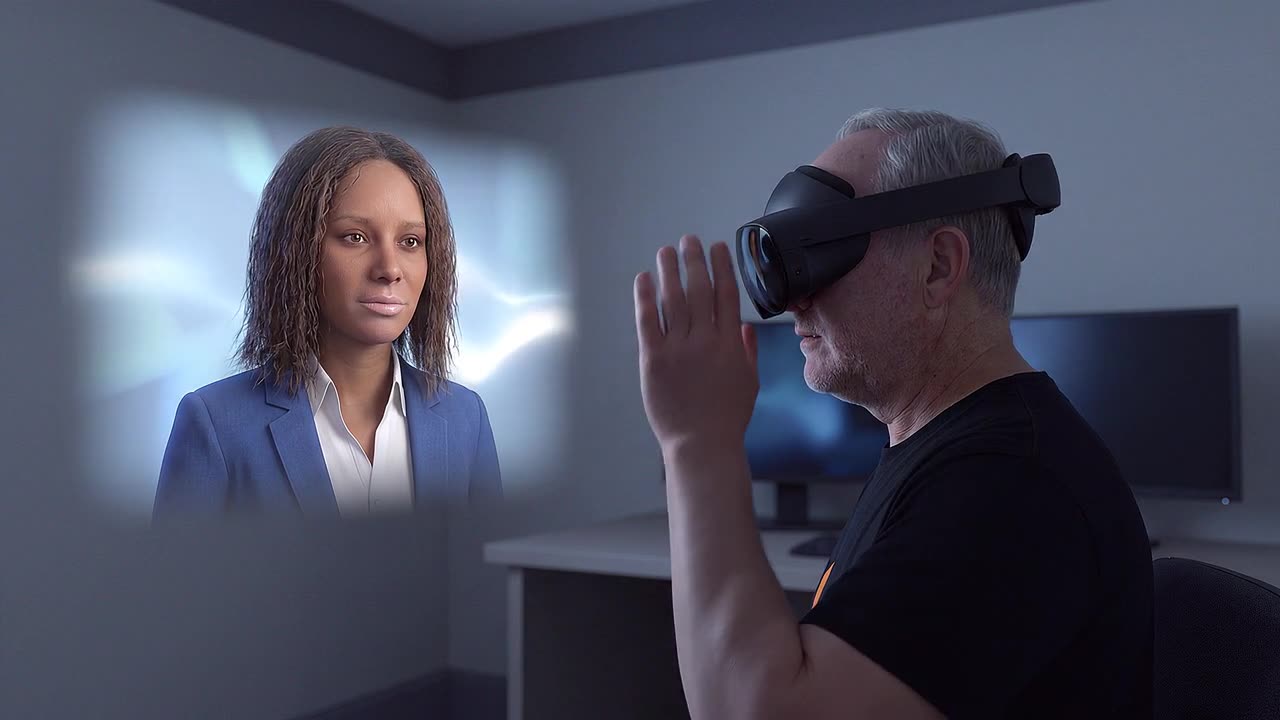
Knowledge twins and expert access. An expert’s approved knowledge, answering questions when the expert cannot.
For buyers
Answers for the people who own the training
The standards wording, the evidence and where practice fits, written for the educator, the L&D lead, the safety lead, the aged care educator and the innovation lead.
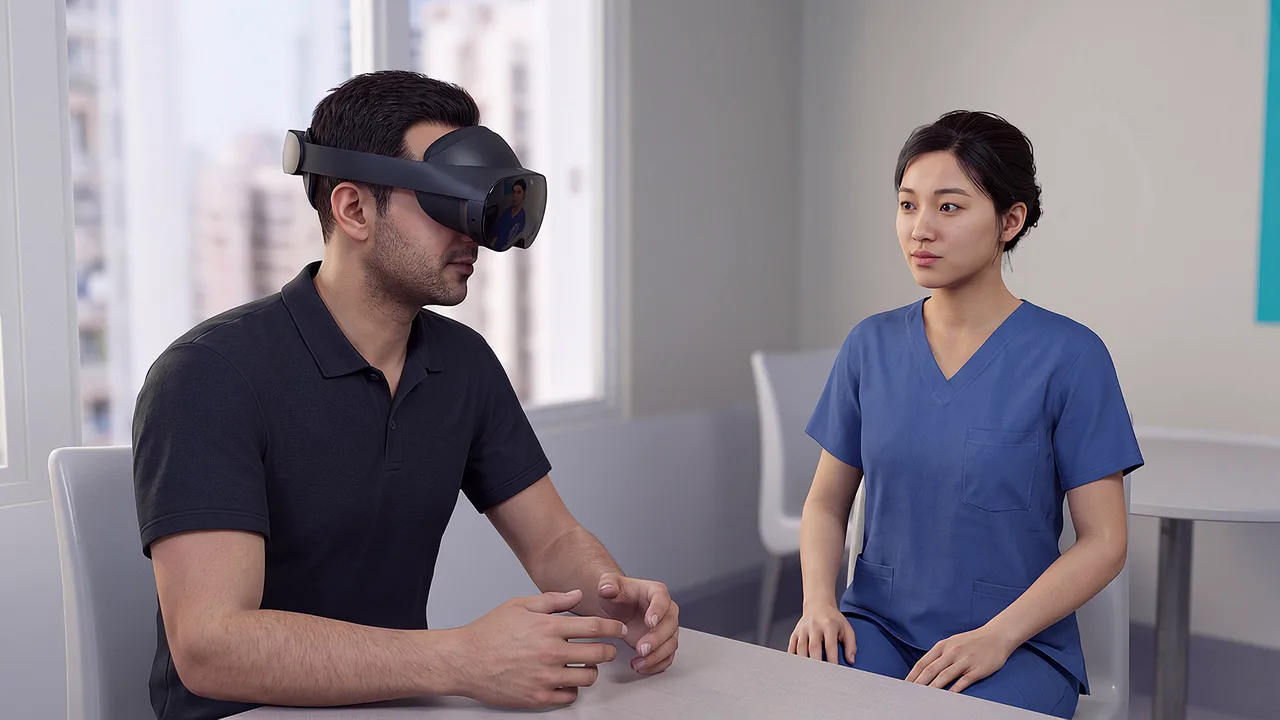
For clinical educators and simulation leads. The standards wording, what a debrief contains, and how a scenario grows from an incident, for hospitals and university simulation centres.
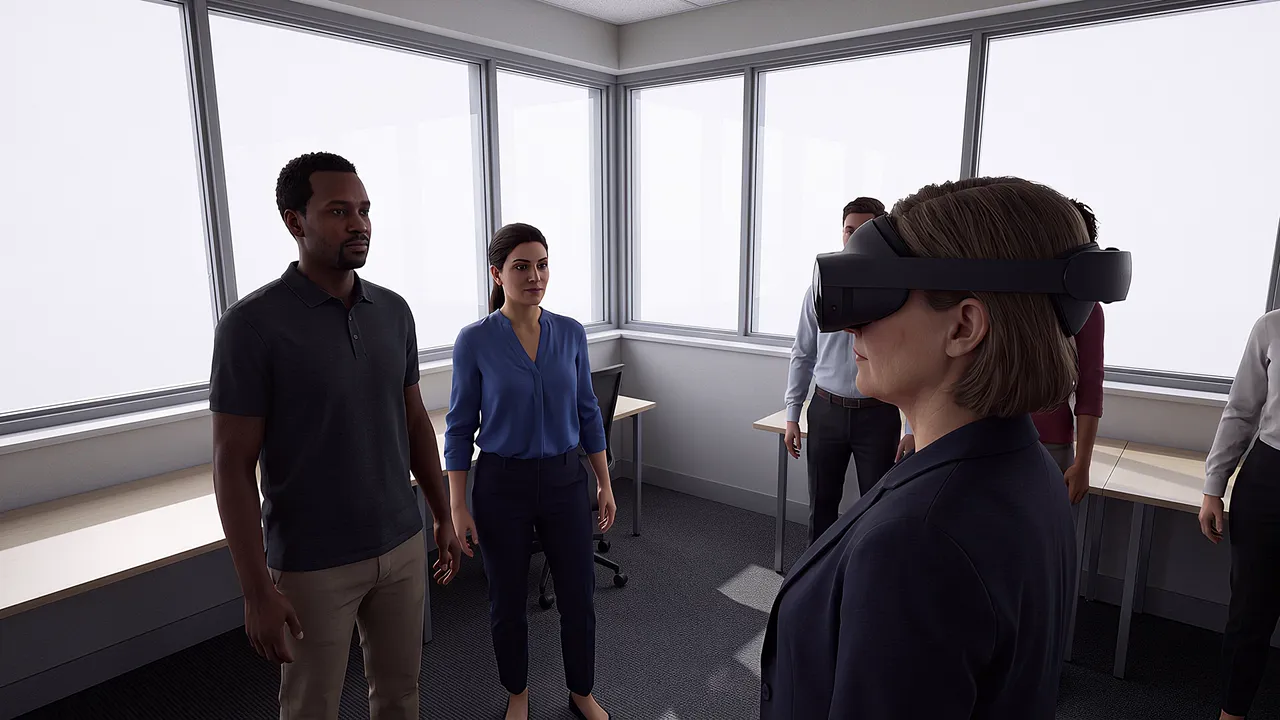
For learning and development leaders. What the positive duty and psychosocial codes ask you to train, a program shape to hand to an owner, and where practice fits.
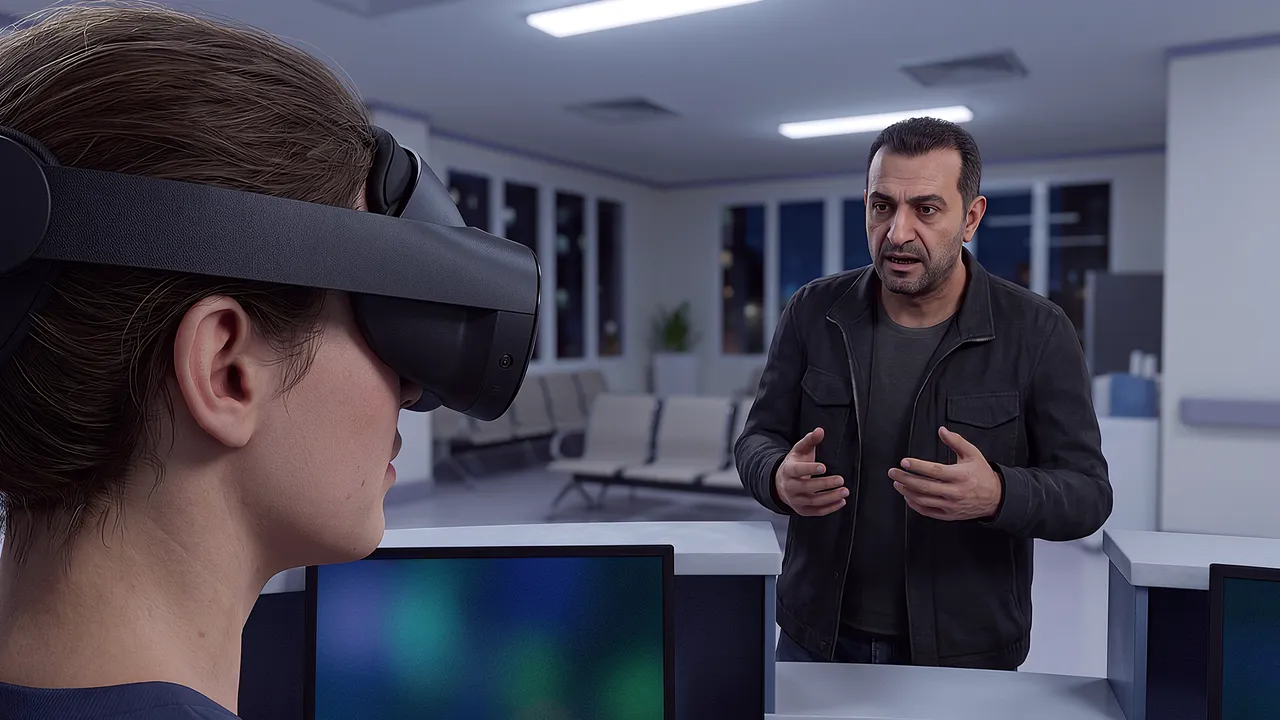
For safety and wellbeing leads. What the code asks you to train, what counts as evidence, and where practice fits, in Australia and the United States.
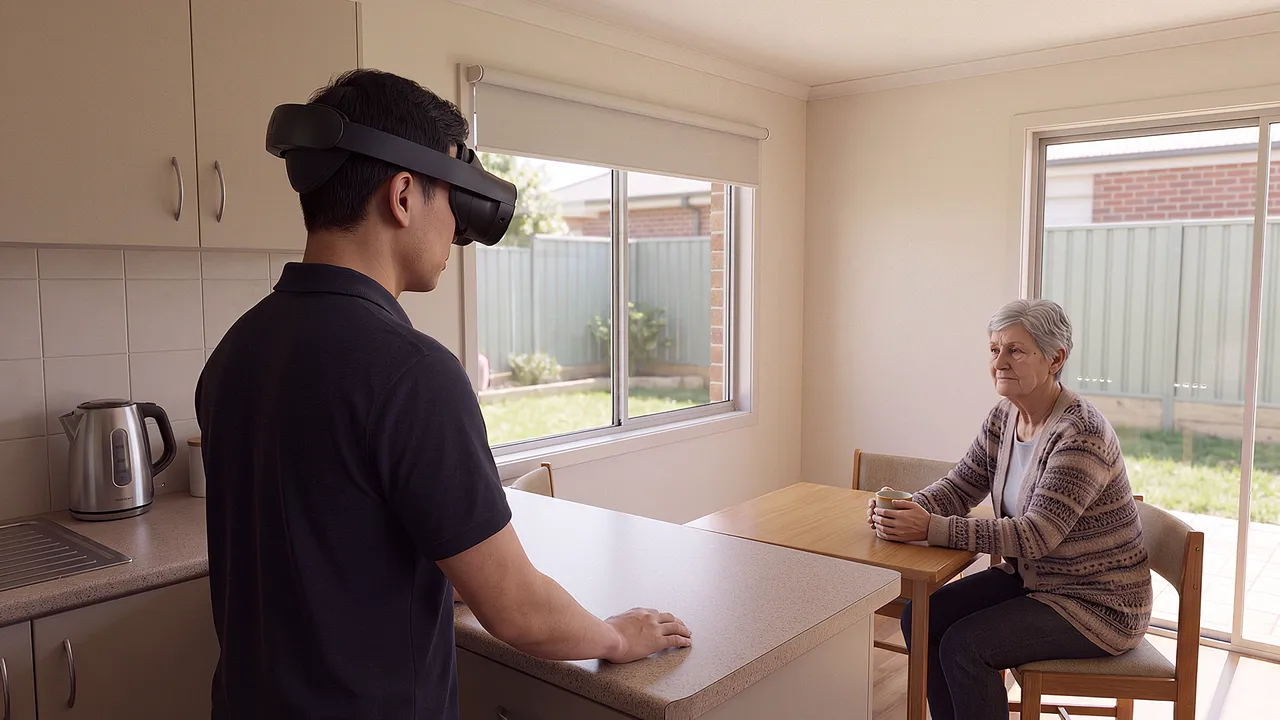
For aged care and home care educators. What counts as competency and dementia training, US in-service hours and pseudo-patients, and the record an assessor reads.
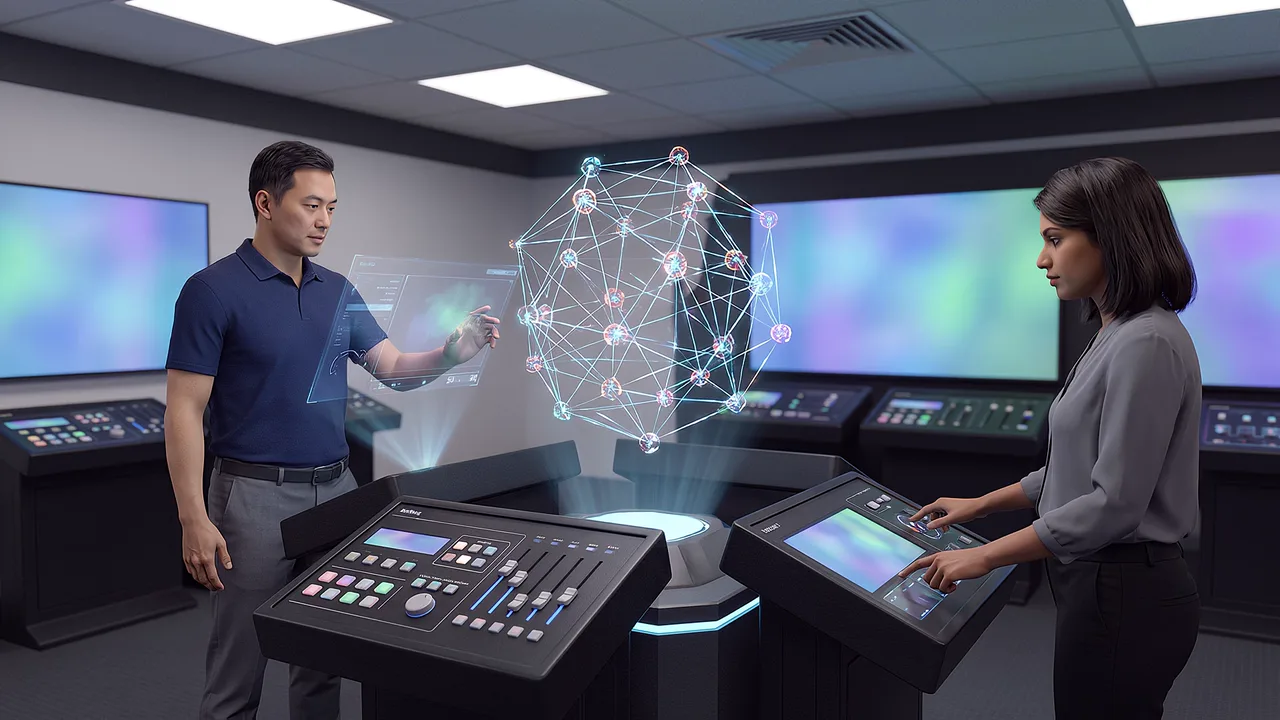
For innovation and digital leads. The frameworks, data answers and fast-build path a pilot needs on its way to a program.
Planning a program
What to settle before a session runs
Headsets, the stages of a pilot, the business case and the purchase, each answered with the rules and sources a buyer needs.
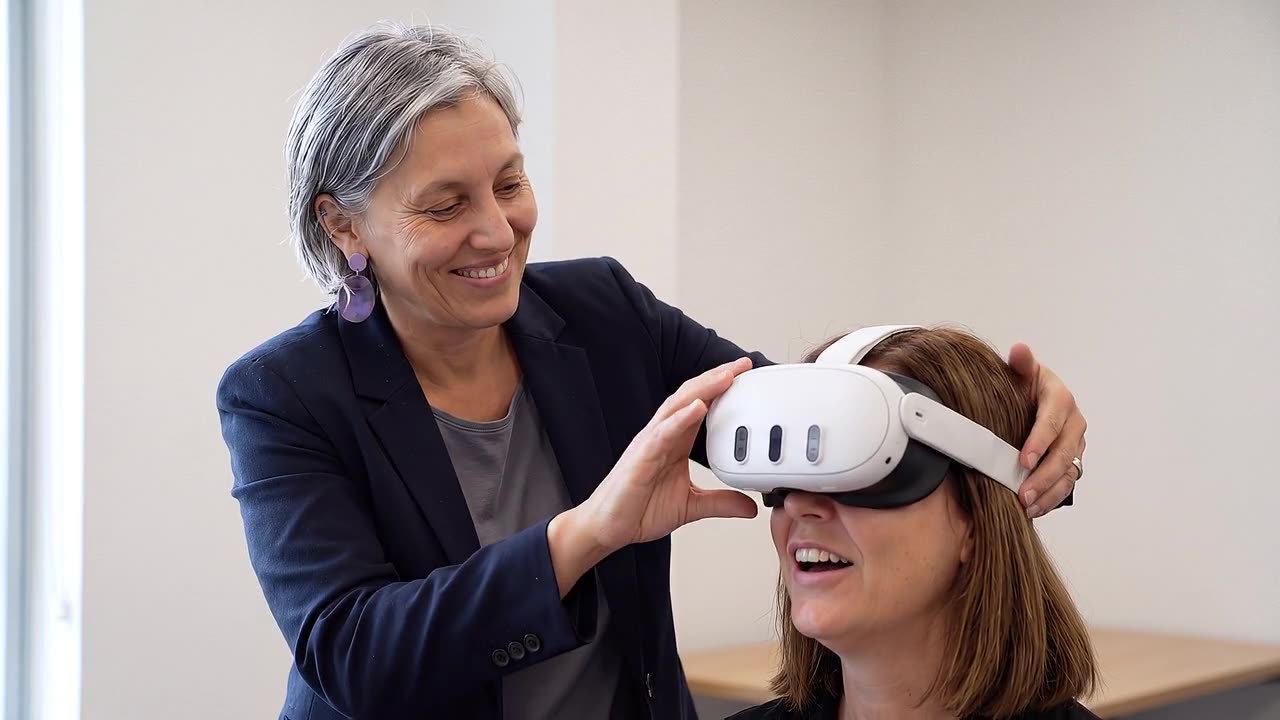
Headsets and equipment. Whether you need headsets, who brings them, which ones fit, and how to keep a shared headset clean between users.
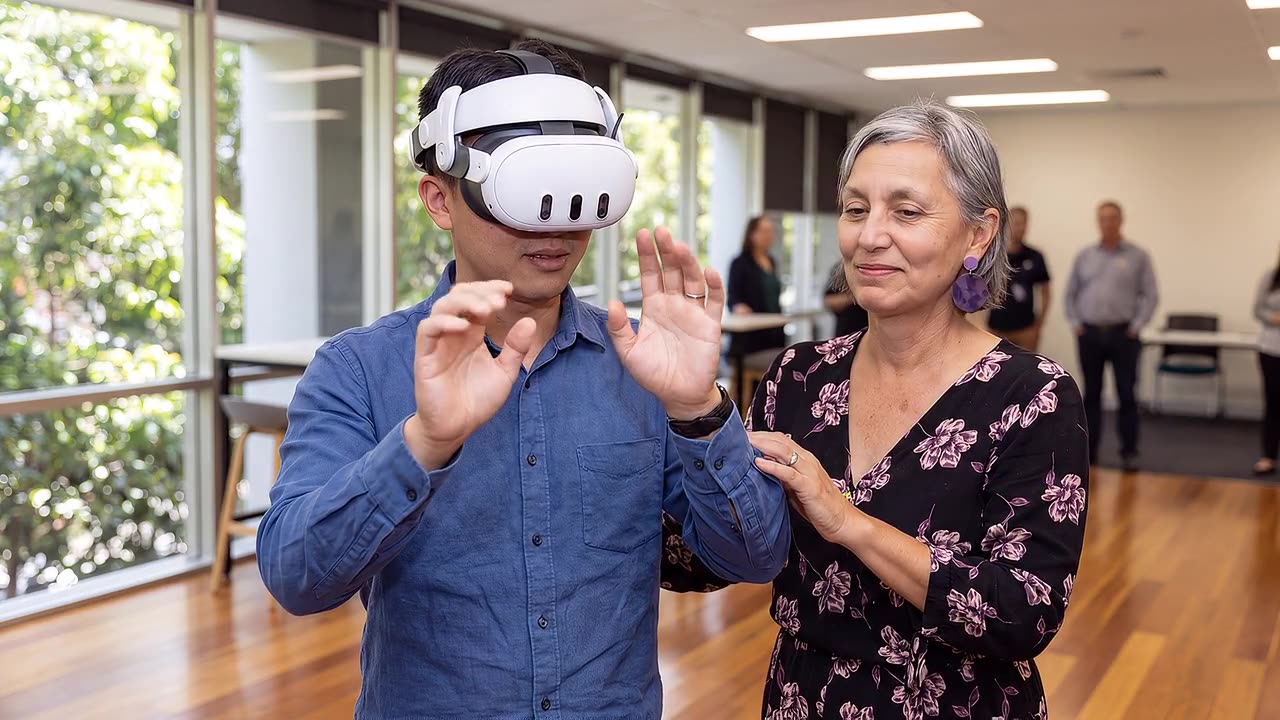
How a pilot runs. The stages, the roles on each side and the measures chosen up front, with what Mater and Google measured.
For the person writing the business case. How to evaluate a program, what the published results measured, and what violence and turnover cost, in Australia and the United States.
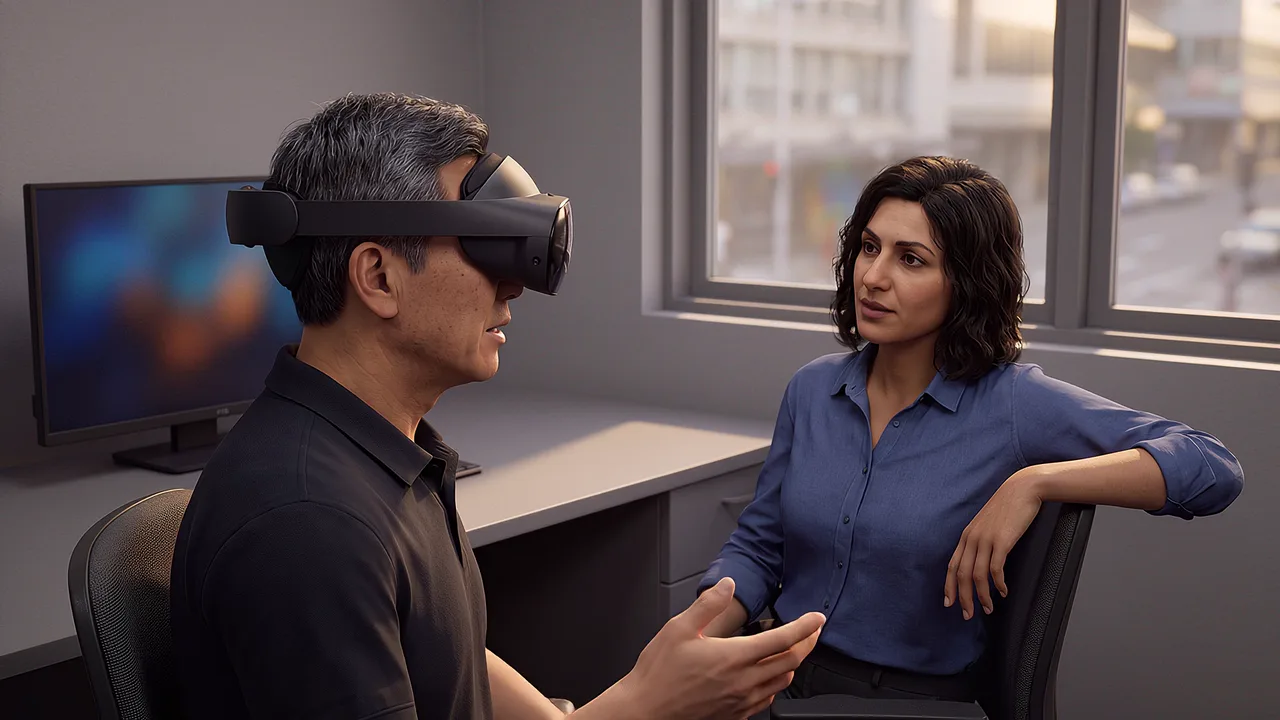
For procurement and finance teams. Thresholds, portals and what an RFQ should ask for, in Australia, New Zealand and the United States.
How PTR delivers
Every way to practise a conversation
Most programs combine formats, chosen for the workforce and the risk. How we deliver shows each format and who runs it.
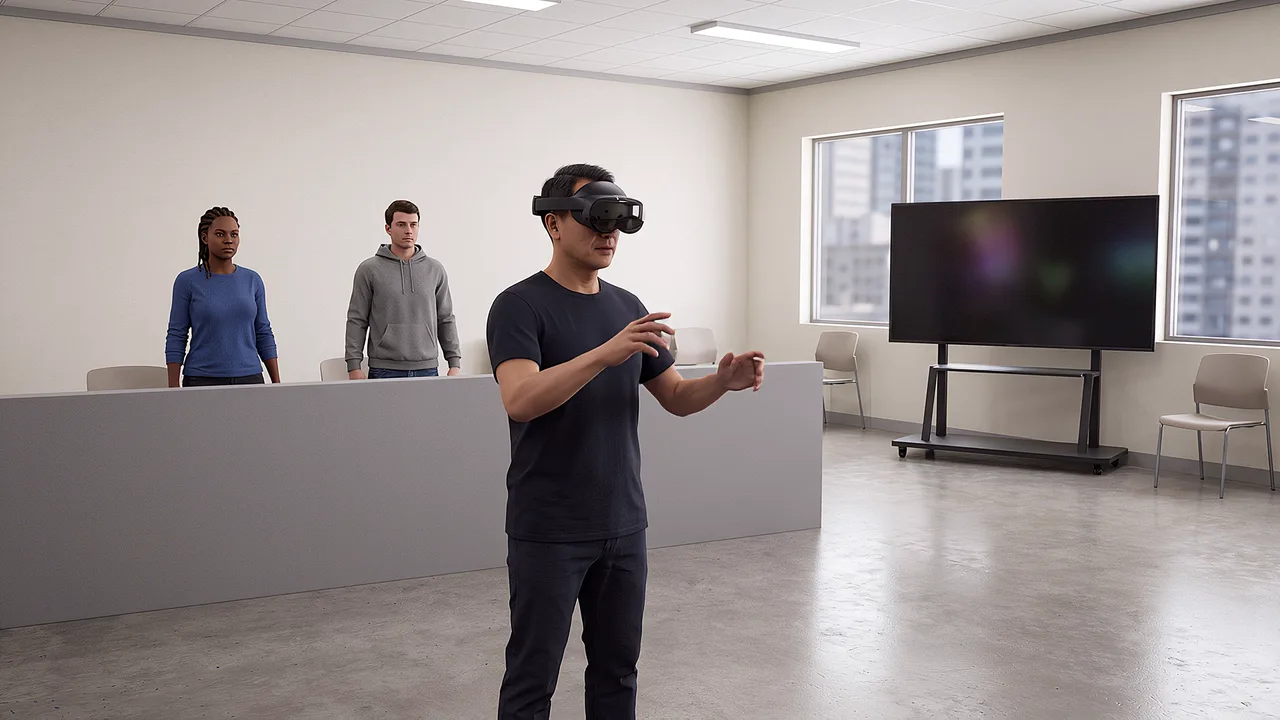
The PTR VR Library
Ready-to-run titles for bias, discrimination, anxiety and leadership, including Equal Reality VR. See the Library.
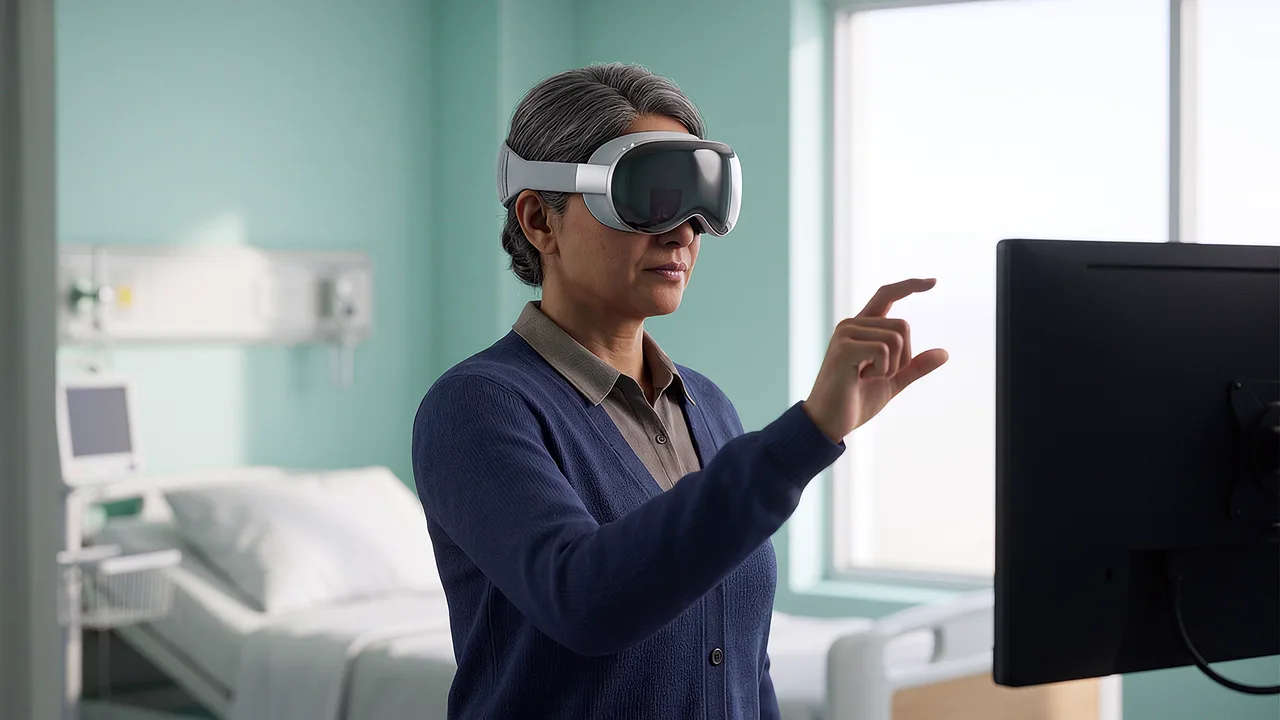
Custom VR and XR
Scenarios built from your own rooms, incidents and escalation pathways, in VR, AR or MR. A fast build puts a first version in front of staff quickly.
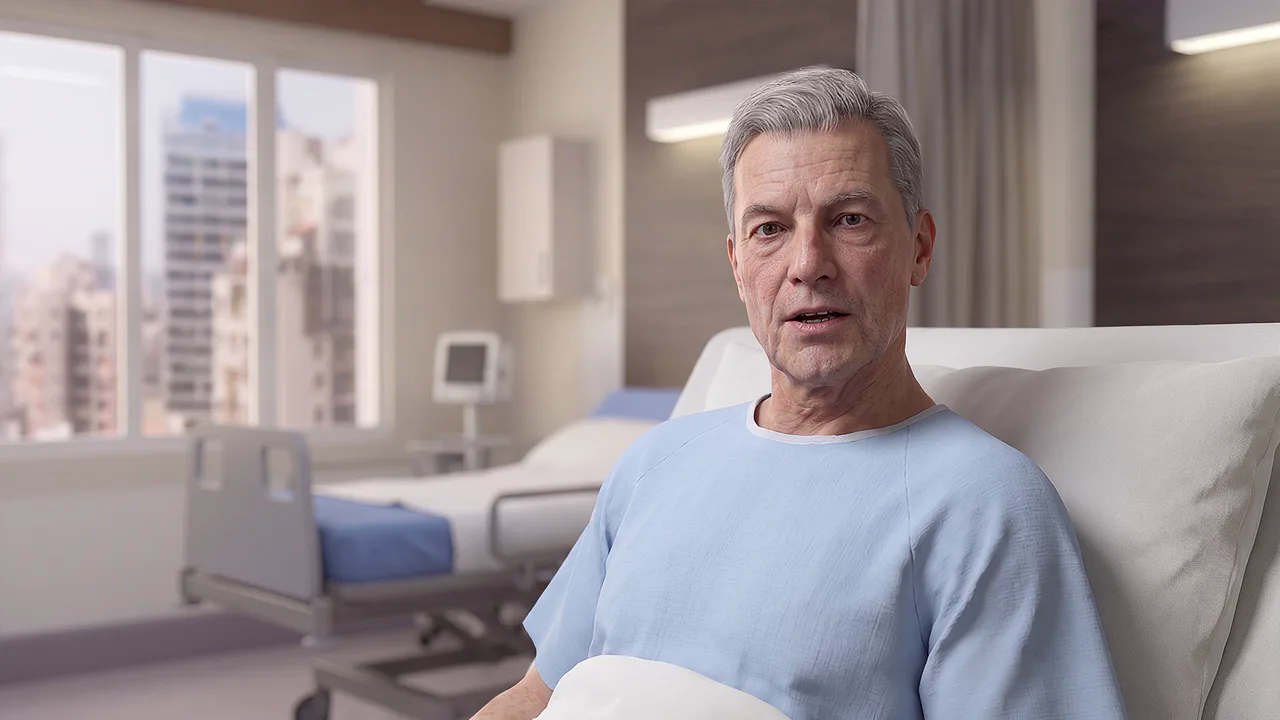
AI roleplay in a browser
An AI character plays the other person on a laptop or phone, gives feedback against set criteria, and runs the scene again.
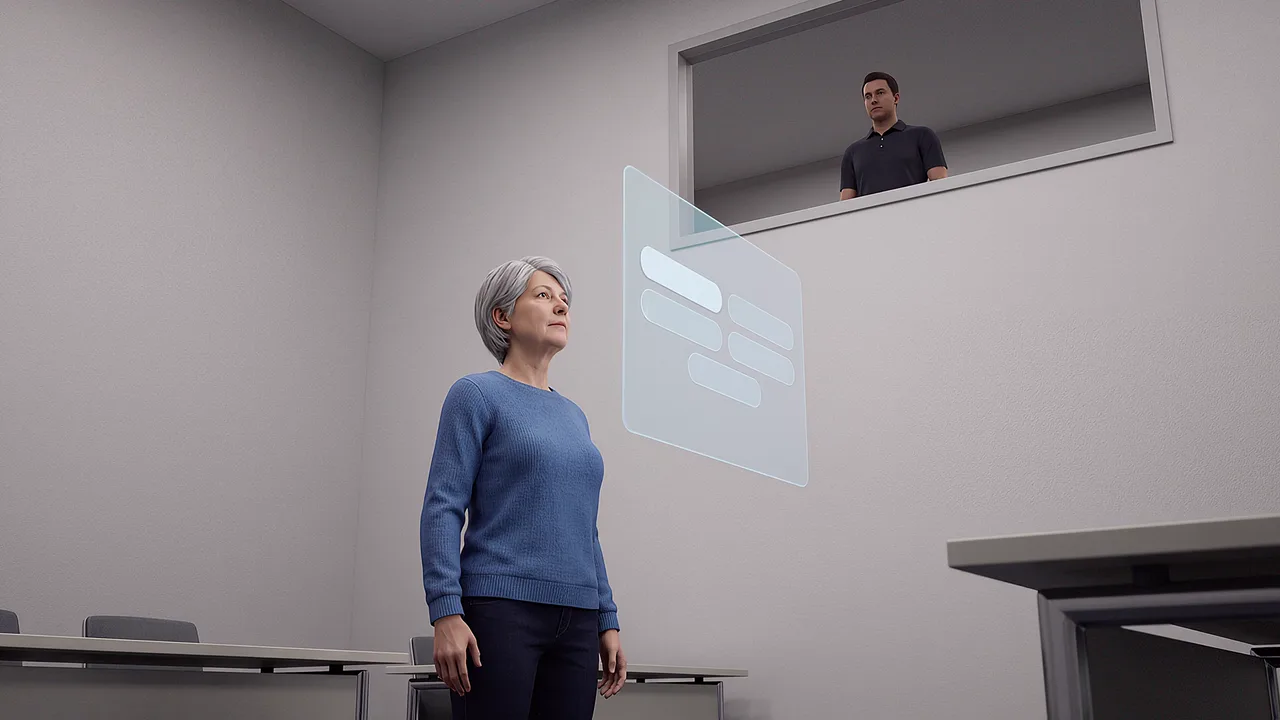
Didymo digital twins
Didymo answers from an organisation’s approved material and hands over to a person when judgement is needed.
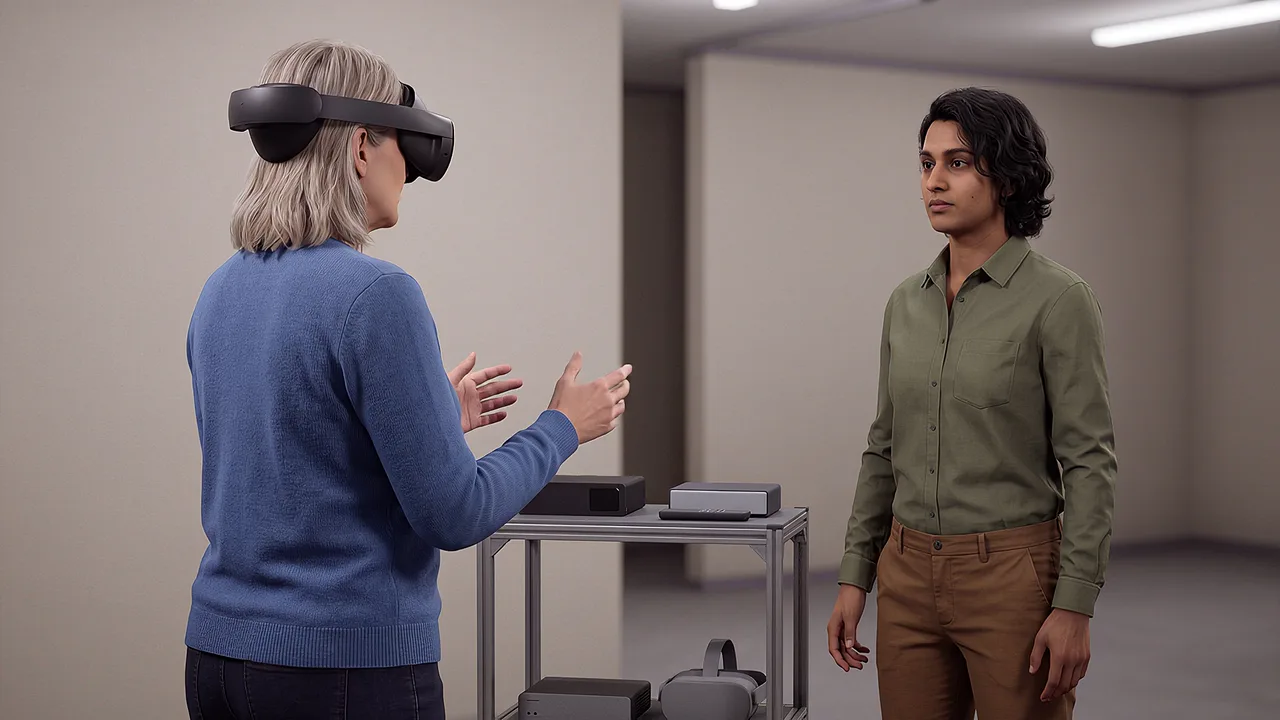
Facilitated sessions
A facilitator briefs the group, each person takes a turn and the debrief turns what was noticed into what people will do next time. A PTR facilitator can join by video call, or a trainer you already work with can run the room with PTR’s scenarios and preparation. Programs can run under your own brand, delivered by your trainers or ours and licensed for your organisation or for the clients you train.
The evidence
Results from Google, Mater and Mayo Clinic
For de-escalation, the evidence is published research by other teams, summarised with its limits.

Peer reviewed: Google, ACM CHI 2024
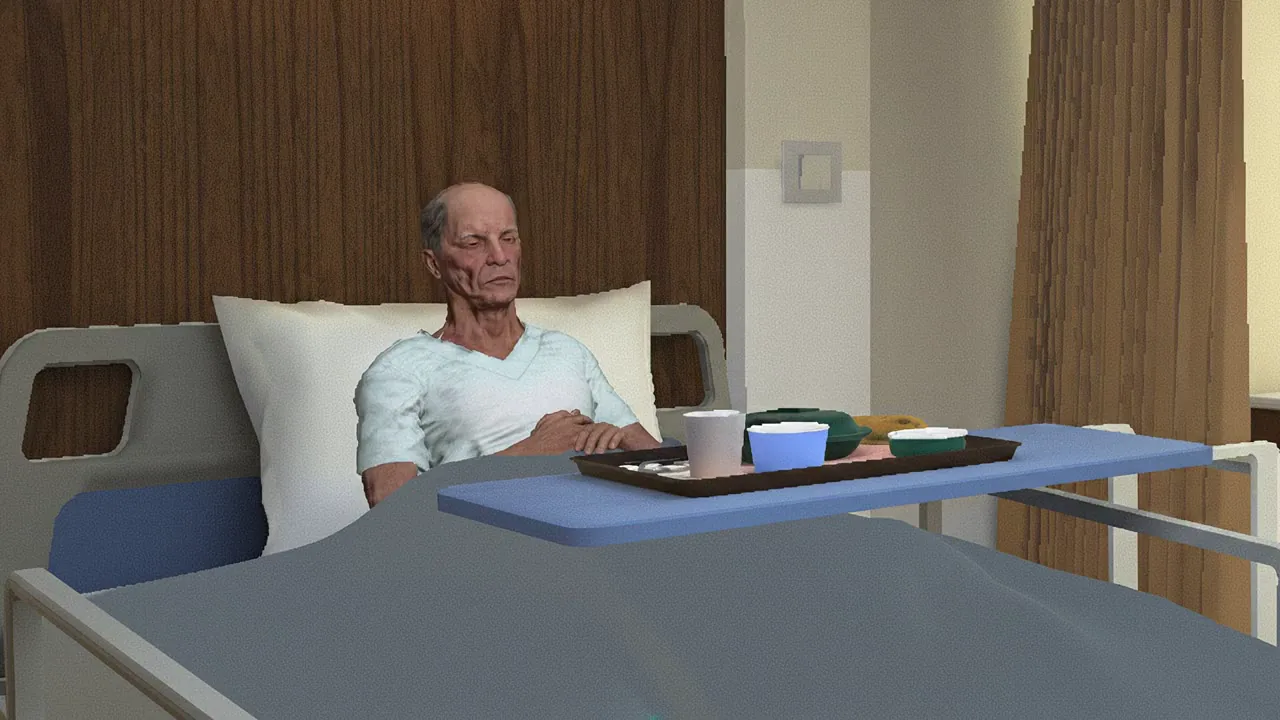
A peer-reviewed paper evaluated VR inclusion training built with Equal Reality, a subsidiary of People Tech Revolution. The 7 trainees who returned the optional survey gave 82% average agreement that it was better than Google’s standard DEI training.
Client evaluation: Mater Education
In Mater’s own program evaluation of its speaking-up pilot, over 96% of participants wanted more training in VR.
Peer reviewed: Mayo Clinic
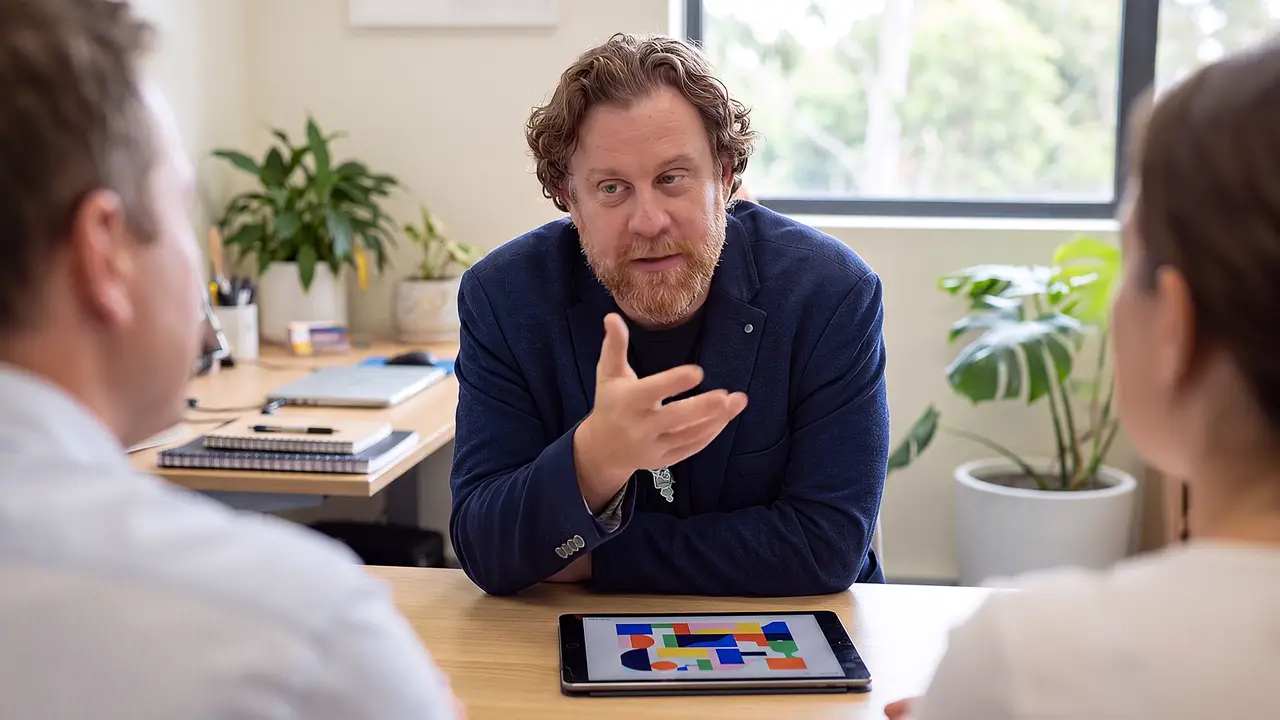
A DEI program People Tech Revolution built for Mayo Clinic nurse leaders was tested against a control group, and those who trained gained in empathic feeling (p = .002).
Start with the conversation your people find hardest
Tell us where it goes wrong, and we will show you how teams like yours rehearse it. Talk to us or book a time with our team.
Related pages
- VR training & roleplay
- VR de-escalation training
- De-escalation training for healthcare
- Occupational violence & aggression training
- Customer aggression training
- Conflict resolution training
- Evidence for innovation teams
- Research & evidence
- Case studies
- PTR VR Library
- Learn
- How we deliver
- For trainers & facilitators
- Talk to us
Choosing how your team practises?
Sources
Each result in the document that reported it.
VR inclusion training at Google (ACM CHI 2024)
Agreement that the training was better than the standard DEI training.
Mater immersive learning pilot
Demand for more training in VR.
VR training for nursing leaders: a controlled trial
Empathy and upstander outcomes against a control group.